
In the age of interconnected devices and automation, relay control has emerged as a cornerstone of modern technology. Whether you’re building a home automation system, developing an industrial control setup, or working on a DIY electronics project, relays are indispensable components that enable seamless interaction between low-power controllers and high-power devices. At the heart of efficient relay operation lies the I/O controller, a versatile interface that bridges the gap between command signals and mechanical switching.
In this guide, we will delve into the fascinating world of relay control, starting with an in-depth exploration of I/O controllers, their functionality, and their significance in controlling relays. From there, we’ll navigate through the practicalities of Arduino relay wiring, demonstrating how to effectively integrate relays into microcontroller-based systems. Next, we’ll explore Raspberry Pi relay control, showcasing how this compact computer excels in handling more complex automation tasks. Finally, we’ll examine programmable relays, a powerful solution for creating sophisticated and customizable control systems.
By the end of this article, you’ll have a thorough understanding of these key technologies and how they can be applied to revolutionize your projects, no matter their scale. Let’s begin this journey into the dynamic world of relay control.
Understanding the Role of the I/O Controller in Relay Control
At the core of any reliable relay control system lies the I/O controller, a critical component responsible for managing the communication between control devices and relays. Short for Input/Output controller, this device acts as an intermediary, processing input signals and translating them into output commands that can activate or deactivate relays. Its importance cannot be overstated, as it ensures precision, efficiency, and safety in the operation of electrical circuits across various applications.
What is an I/O Controller?
An I/O controller is a hardware or software interface that allows communication between a central processing unit (CPU) and external peripherals. In the context of relay control, its primary function is to interpret low-power control signals from devices like microcontrollers or computers and convert them into high-power outputs capable of driving relays. This capability makes it invaluable for scenarios where a low-voltage control signal needs to switch a high-voltage or high-current circuit, such as powering lights, motors, or other electrical devices.
How Does an I/O Controller Work with Relays?
To understand the relationship between the I/O controller and relays, let’s consider a typical setup. When a controller receives an input signal, such as a command from a microcontroller or a sensor reading, it processes this data and sends an output signal to the relay. The relay then uses this signal to open or close its internal switch, allowing or halting the flow of current to a connected device.
For instance, in a home automation system, an I/O controller might receive input from a motion sensor indicating someone has entered a room. The controller processes this information and sends an output signal to a relay, which turns on the room’s lights. Without the I/O controller to manage this exchange, the system would lack the intelligence and precision necessary for efficient operation.
Advantages of Using an I/O Controller
Precision Control: An I/O controller ensures that signals are transmitted accurately, reducing errors in relay operation.
Scalability: Controllers can handle multiple input and output signals, making them ideal for complex systems involving numerous relays.
Safety: By isolating low-voltage control circuits from high-voltage operational circuits, I/O controllers reduce the risk of electrical hazards.
Versatility: I/O controllers can interface with a wide range of devices, from microcontrollers like Arduino and Raspberry Pi to programmable logic controllers (PLCs).
Real-World Applications of I/O Controllers
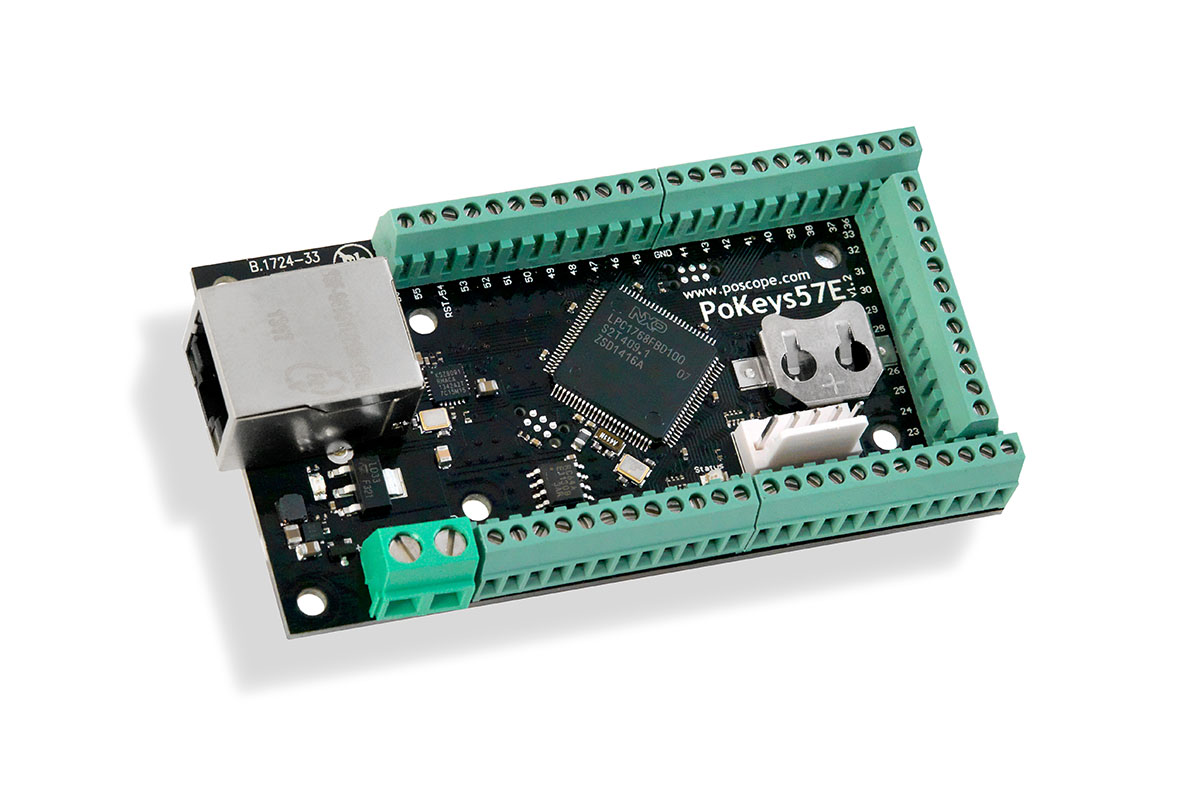
I/O controllers play a vital role in diverse fields. In industrial automation, they enable precise control of machinery by processing sensor data and operating relays to regulate motors, conveyors, and actuators. In smart homes, they facilitate automation by connecting devices such as lights, HVAC systems, and security cameras. Moreover, I/O controllers are integral to renewable energy systems, ensuring efficient operation of solar inverters, battery management systems, and grid connections.
Key Considerations for Choosing an I/O Controller
Selecting the right I/O controller depends on the specific requirements of your project. Consider the number of input and output channels, compatibility with your microcontroller or software platform, and the voltage and current ratings needed to drive your relays. Additionally, look for features like built-in protection circuits, expandability, and user-friendly programming interfaces to enhance functionality and ease of use.
In summary, the I/O controller is the unsung hero of relay control, enabling seamless communication between control devices and relays. Its ability to process, manage, and translate signals makes it an essential component for anyone looking to harness the power of automation and electrical switching in their projects. As we move forward, we’ll see how the practical aspects of this technology come to life with Arduino and Raspberry Pi applications.
Mastering Arduino Relay Wiring
When it comes to integrating relays into electronic projects, Arduino stands out as a popular and versatile platform. With its user-friendly interface and extensive community support, Arduino makes it easy for beginners and professionals alike to control relays for various applications. In this chapter, we’ll explore the fundamentals of Arduino relay wiring, the tools you’ll need, and the best practices for achieving efficient and reliable relay control.
What is Arduino Relay Wiring?
Arduino relay wiring refers to the process of connecting relays to an Arduino microcontroller to control high-power devices like lights, motors, and appliances. The Arduino sends low-voltage signals to the relay module, which, in turn, switches higher-voltage circuits on or off. This setup is crucial for building systems where a microcontroller must control devices that exceed its voltage or current handling capabilities.
Components Needed for Arduino Relay Wiring
To get started with Arduino relay wiring, you’ll need the following components:
Arduino Board: Any Arduino model, such as the Uno or Mega, will work depending on your project’s requirements.
Relay Module: A relay module designed for Arduino use, typically including a built-in transistor, diode, and optocoupler for safety and convenience.
Wires and Breadboard: For making secure connections.
External Power Source (if necessary): Required for powering high-voltage or high-current devices.
Step-by-Step Guide to Arduino Relay Wiring
Connect the Relay Module to the Arduino:
- Attach the VCC pin of the relay module to the 5V pin on the Arduino.
- Connect the GND pin of the relay module to the GND pin on the Arduino.
- Link the IN pin on the relay module to a digital pin on the Arduino (e.g., pin 7).
Wire the Device to the Relay:
- Identify the relay’s three terminals: Common (COM), Normally Open (NO), and Normally Closed (NC).
- Connect one end of the high-voltage device’s wire to the COM terminal.
- Attach the other wire to either the NO terminal (for the device to turn on when activated) or the NC terminal (for the device to remain on unless deactivated).
Write the Arduino Code:
Use simple Arduino code to control the relay. For instance:

Power Up the System:
Once the connections are secure, power up the Arduino and observe the relay’s operation. The clicking sound of the relay indicates switching.
Best Practices for Arduino Relay Wiring
Opt for Modules with Optocouplers: Relay modules with built-in optocouplers provide electrical isolation, reducing the risk of damaging your Arduino.
Use Flyback Diodes: If you’re using bare relays (not modules), add a flyback diode across the relay’s coil to prevent voltage spikes from damaging the circuit.
Consider External Power for Multiple Relays: Powering several relays directly from the Arduino can strain its voltage regulator. Use an external power source if your project involves multiple relays.
Label and Organize Wiring: Proper labeling and organized wiring help prevent short circuits and make debugging easier.
Applications of Arduino Relay Wiring
Arduino-based relay setups are commonly used in home automation, where relays control lights, fans, and appliances remotely via smartphone apps or voice commands. They are also widely employed in robotics, allowing microcontrollers to manage motors and actuators. In DIY projects, Arduino relay wiring offers a cost-effective way to experiment with automation and IoT (Internet of Things) concepts.
By mastering Arduino relay wiring, you gain the ability to bridge the gap between microcontrollers and high-power devices, unlocking endless possibilities for innovation. In the next chapter, we’ll see how Raspberry Pi takes relay control to the next level with its advanced capabilities.
Exploring Raspberry Pi Relay Control
While Arduino is an excellent platform for basic relay control, the Raspberry Pi offers even more power and flexibility for advanced relay operations. Unlike Arduino, which functions primarily as a microcontroller, the Raspberry Pi is a fully-fledged single-board computer capable of running complex operating systems and performing sophisticated computations. This versatility makes it an ideal choice for more intricate automation tasks that require relay control, such as integrating sensors, managing networks, or running web-based interfaces. In this chapter, we’ll explore how Raspberry Pi relay control works, its advantages, and how to effectively wire and use relays with the Pi for various applications.
Understanding Raspberry Pi Relay Control
Raspberry Pi relay control involves connecting a relay module to the Pi’s GPIO (General Purpose Input/Output) pins. The Raspberry Pi sends signals through these GPIO pins to control relays, which in turn manage high-power devices. Although the GPIO pins of the Raspberry Pi are not designed to handle high voltages directly, they can trigger relays that switch the high voltage or current needed for appliances, lights, motors, and more. The beauty of using a Raspberry Pi for relay control lies in its ability to handle complex tasks—such as running scripts, controlling multiple relays simultaneously, or even integrating with cloud services—while also providing a simple interface for hardware interaction.
Components Required for Raspberry Pi Relay Control
To get started with Raspberry Pi relay control, you’ll need the following components:
Raspberry Pi Board: Any version of the Raspberry Pi, such as the Raspberry Pi 4 or Raspberry Pi Zero, will work for relay control projects.
Relay Module: A relay module compatible with the Raspberry Pi. Often, these modules are designed to operate at 5V or 3.3V, making them compatible with the Pi’s GPIO pins.
Power Supply: A reliable power supply for both the Raspberry Pi and the high-power devices being controlled.
Jumper Wires: For connecting the relay module to the GPIO pins of the Raspberry Pi.
How Does Raspberry Pi Control Relays?
To control relays with the Raspberry Pi, the system typically uses the following process:
- Input Signals: The Raspberry Pi receives input from various sources, such as sensors, user commands, or scheduled tasks.
- Processing: The Raspberry Pi processes this input using its operating system, such as Raspbian, and any software libraries that interface with the GPIO pins.
- Output Signals: Based on the processed input, the Raspberry Pi sends output signals through the GPIO pins to the relay module. The relay then activates or deactivates the connected high-power device.
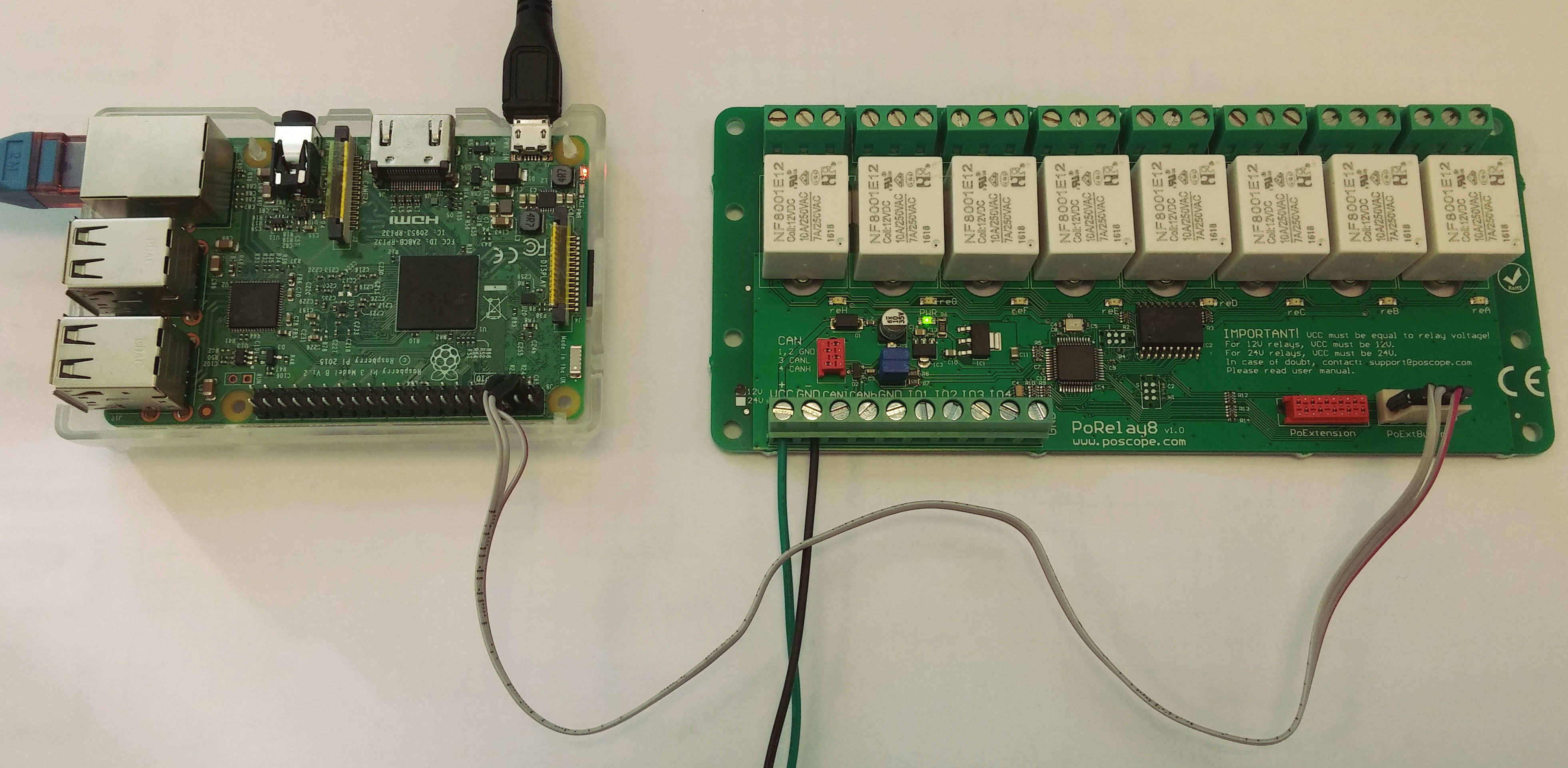
While the GPIO pins themselves can’t supply enough current to directly activate the relay, the relay module contains a transistor or optocoupler that acts as a switch, allowing the low-power GPIO pin to control the relay without the risk of damaging the Raspberry Pi.
Advantages of Raspberry Pi Relay Control
Advanced Automation: With the computing power of the Raspberry Pi, relay control becomes a part of more sophisticated automation systems. You can run scripts that make decisions based on data from sensors, time of day, or external systems.
Network Integration: Raspberry Pi relay control allows you to integrate relays into a network, making it possible to control devices remotely over the internet. This is ideal for IoT projects where you might want to control appliances or lights via a web interface or mobile app.
Multiple Relay Support: Raspberry Pi can easily handle multiple relays at once, either through additional GPIO expansion boards or through USB relay modules. This capability is perfect for larger projects that require managing several devices simultaneously.
Customization: Raspberry Pi allows for custom relay control through software. Whether you want to set up specific timing schedules, integrate with voice assistants like Google Assistant or Alexa, or even create a custom graphical interface, the possibilities are vast.
Applications of Raspberry Pi Relay Control
The possibilities for Raspberry Pi relay control are vast and diverse. Here are a few common applications:
- Home Automation: Raspberry Pi can be used to control household devices such as lights, fans, or home appliances through relays, enabling the creation of a smart home. With additional components like sensors or cameras, it’s possible to build complex, responsive automation systems.
- Industrial Control: In industrial settings, Raspberry Pi relay control can manage machinery or regulate environmental systems such as heating, ventilation, and air conditioning (HVAC). Raspberry Pi’s ability to run complex software makes it ideal for monitoring and controlling processes based on real-time data.
- Security Systems: Integrating relay control with security systems is another popular use. For example, Raspberry Pi can control locks, alarms, or cameras, creating a comprehensive home or office security solution that can be monitored remotely.
- Robotics: Raspberry Pi’s ability to handle complex calculations and control relays makes it a great choice for robotic systems. The Pi can manage motors, servos, and sensors, and relay modules can activate additional machinery or features like lights and alarms.
Key Considerations When Using Raspberry Pi for Relay Control
When using a Raspberry Pi for relay control, there are a few important considerations to keep in mind:
- Power Management: Raspberry Pi requires an adequate power supply, particularly if running several devices or relays. Ensure the power supply is rated correctly for both the Pi and the connected hardware.
- Safety: Because you are controlling high-voltage devices, safety is paramount. Ensure that your relay module is rated for the voltage and current of the devices you’re controlling, and always exercise caution when handling electrical systems.
- GPIO Limitations: The Raspberry Pi’s GPIO pins are not designed to handle high currents. Therefore, using a relay module that incorporates a transistor or optocoupler is essential to protect the Pi and ensure proper operation.
In summary, Raspberry Pi relay control offers incredible flexibility and power for managing high-voltage devices in complex systems. Its ability to integrate with networks, run sophisticated software, and handle multiple relays makes it an ideal platform for advanced relay control projects. As we move into the next chapter, we’ll explore programmable relays, which offer a more integrated, customizable solution for controlling electrical devices.
Unlocking the Potential of Programmable Relays
In the world of relay control, programmable relays represent a significant leap forward, offering unparalleled flexibility and intelligence. Unlike traditional relays, which are typically limited to simple on/off switching, programmable relays can be configured to execute more complex functions based on user-defined parameters. This makes them ideal for applications where predefined behaviors, logic, and schedules are required to manage multiple devices. In this chapter, we’ll explore what programmable relays are, how they differ from standard relays, and the many benefits they offer for controlling electrical systems.
What is a Programmable Relay?
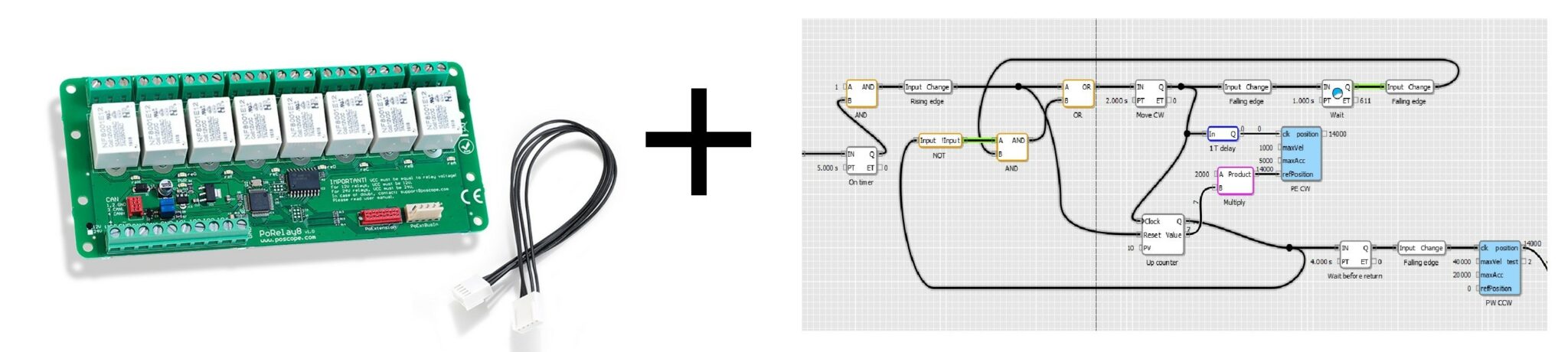
A programmable relay is a specialized relay designed with embedded logic that allows users to define specific actions and control sequences. Unlike standard relays, which rely solely on physical switching mechanisms, programmable relays are equipped with microcontrollers and programmable software that enable them to handle more intricate operations. These relays can be programmed through software to respond to a variety of input signals and conditions, such as time schedules, sensor data, or even remote commands.
These relays are often used in industrial, automation, and building management systems, where the control of multiple devices is needed in a coordinated manner. A programmable relay allows users to create custom sequences, set up time delays, create logic functions (such as AND, OR, NOT), and even communicate with other devices or systems for remote control. This level of customization makes them more versatile than standard mechanical or electromechanical relays.
Key Features of Programmable Relays
Flexibility in Programming: Programmable relays allow for detailed control logic, including time-based operations, event triggers, and conditional logic.
User-Friendly Interfaces: Many programmable relays feature simple graphical interfaces that enable users to create programs without needing extensive programming knowledge. Some may be programmed via a PC or tablet, using proprietary software or a web-based interface.
Multiple Input/Output Channels: These relays can handle a greater number of inputs and outputs than standard relays, making them ideal for controlling multiple devices or sensors simultaneously.
Integration with Other Systems: Programmable relays can communicate with other devices and systems, such as PLCs (Programmable Logic Controllers), sensors, or SCADA (Supervisory Control and Data Acquisition) systems, allowing them to be part of a larger automation network.
Time-Based Control: Many programmable relays allow for scheduling operations, such as turning devices on or off at specific times of day or after certain intervals, which can be critical for energy management and automation.
How Programmable Relays Work
Programmable relays are typically configured using software that allows users to define input conditions, processing rules, and output actions. The process works as follows:
- Input Signal: The relay receives input signals from sensors or switches. These signals can be digital (on/off) or analog (varying voltage or current levels), depending on the relay’s design.
- Processing: The relay’s internal microcontroller processes the input data according to the user-defined program. This can include executing logical functions, performing calculations, or evaluating sensor data.
- Output Signal: Based on the processed input, the relay activates or deactivates its outputs. This could include switching a high-voltage device on or off, triggering an alarm, or sending a signal to another device.
- Feedback and Communication: Some programmable relays provide feedback on the system’s status, such as indicating whether a device is on or off, and can communicate this data to a central monitoring system or cloud service.
Advantages of Programmable Relays
Enhanced Control and Customization: With the ability to define complex conditions and responses, programmable relays offer advanced control not possible with standard relays.
Reduced Need for External Controllers: Programmable relays can perform many of the functions of a traditional controller, such as managing time schedules, logic functions, and sensor inputs, reducing the need for additional control devices.
Remote Monitoring and Control: Many programmable relays can be accessed and controlled remotely, either through web-based interfaces or mobile apps. This is ideal for monitoring and managing systems that are located far away or in hard-to-reach places.
Energy Efficiency: By automating the operation of high-power devices, programmable relays can help reduce energy consumption. For instance, they can ensure devices are only powered on when needed, or they can control lighting and heating systems based on occupancy or time of day.
Cost Efficiency: Although programmable relays may have a higher upfront cost compared to traditional relays, their flexibility and ability to perform multiple tasks can ultimately reduce the need for other components, making them a cost-effective solution in the long run.
Applications of Programmable Relays
The versatility of programmable relays makes them ideal for a wide range of applications, including:
- Industrial Automation: In factories and manufacturing plants, programmable relays control equipment like conveyors, robotic arms, and sensors. They can automate entire processes and integrate with other control systems, making them essential for modern production lines.
- Building Automation: Programmable relays are widely used in smart buildings for controlling HVAC systems, lighting, and security systems. They can help optimize energy use and improve comfort by adjusting systems based on environmental conditions or occupancy.
- Water and Wastewater Management: In water treatment plants, programmable relays control pumps, valves, and other critical infrastructure. They help regulate water flow, monitor system status, and ensure operations run smoothly.
- Agricultural Automation: Programmable relays are also used in agriculture for controlling irrigation systems, greenhouse environments, and livestock monitoring systems. They can automate processes based on environmental data like temperature, humidity, or soil moisture.
Choosing the Right Programmable Relay
When selecting a programmable relay for a project, consider the following factors:
- Number of Inputs and Outputs: Choose a relay that can handle the number of devices or sensors you need to control.
- Programming Interface: Look for a relay with an intuitive programming interface that suits your skill level. Some relays may require advanced knowledge of programming languages, while others offer graphical interfaces for easier configuration.
- Compatibility: Ensure the programmable relay is compatible with the other devices in your system, such as sensors, actuators, and controllers.
- Power Requirements: Consider the power requirements of the relay and make sure it is rated for the voltage and current of the devices you intend to control.
In conclusion, programmable relays are powerful tools that provide advanced control over electrical devices and automation systems. With their ability to execute complex functions, integrate with other systems, and operate autonomously, programmable relays offer far more than basic switching. Whether used in industrial, commercial, or residential applications, these relays are a critical component for modern automation, offering flexibility, efficiency, and control.
Conclusion: Bridging the Gap in Relay Control Systems
Throughout this article, we’ve explored the evolving landscape of relay control, from basic I/O controllers to advanced programmable relays, and how these technologies play pivotal roles in modern automation systems. Each relay solution—whether it’s controlled by an Arduino, a Raspberry Pi, or a sophisticated programmable relay—offers unique capabilities tailored to specific needs. However, they all share a common purpose: to provide seamless control over high-power devices and systems with the flexibility and precision needed for a wide range of applications.
The I/O controller, as we learned, serves as the central hub for managing the flow of data between control systems and relays. It ensures that low-voltage signals from microcontrollers or sensors can trigger high-power operations safely and reliably. The ability to manage inputs and outputs with precision is foundational to successful relay control systems, whether in industrial automation, home systems, or robotics.
Arduino relay wiring offers an accessible and cost-effective solution for hobbyists and engineers looking to integrate relays into their projects. It provides a straightforward way to control various devices with the power of low-cost microcontrollers, while ensuring flexibility and scalability. Whether you’re turning on a light, activating a motor, or controlling an appliance, Arduino’s simplicity makes it a great tool for beginners, yet powerful enough for more advanced applications when paired with additional components.
On the other hand, Raspberry Pi relay control takes things further, allowing users to leverage the full power of a single-board computer. The Pi enables not only relay switching but also advanced tasks such as networked control, real-time data processing, and the integration of sensors for smarter automation. Whether used in home automation or more complex industrial applications, the Raspberry Pi’s versatility opens up new horizons for relay control, making it an excellent choice for projects that require more processing power or integration with cloud-based systems.
Finally, programmable relays represent the next step in relay control technology. By incorporating built-in logic and programmable features, these relays give users the ability to create complex control sequences based on time, events, or external conditions. Programmable relays streamline operations, reduce the need for additional controllers, and enable more efficient and customizable automation solutions across industries.
In conclusion, the choice of relay control technology depends on the specific requirements of the application. Whether you are building a simple home automation system, controlling a fleet of industrial machines, or developing a sophisticated IoT solution, there is a relay technology that fits your needs. By understanding the strengths of each option—I/O controllers, Arduino relay wiring, Raspberry Pi relay control, and programmable relays—you can design more efficient, intelligent, and reliable systems that help manage the complexities of modern automation and control.
